Dr. Mandela Ogada
Who is Mandela Ogada? Can we trust him?
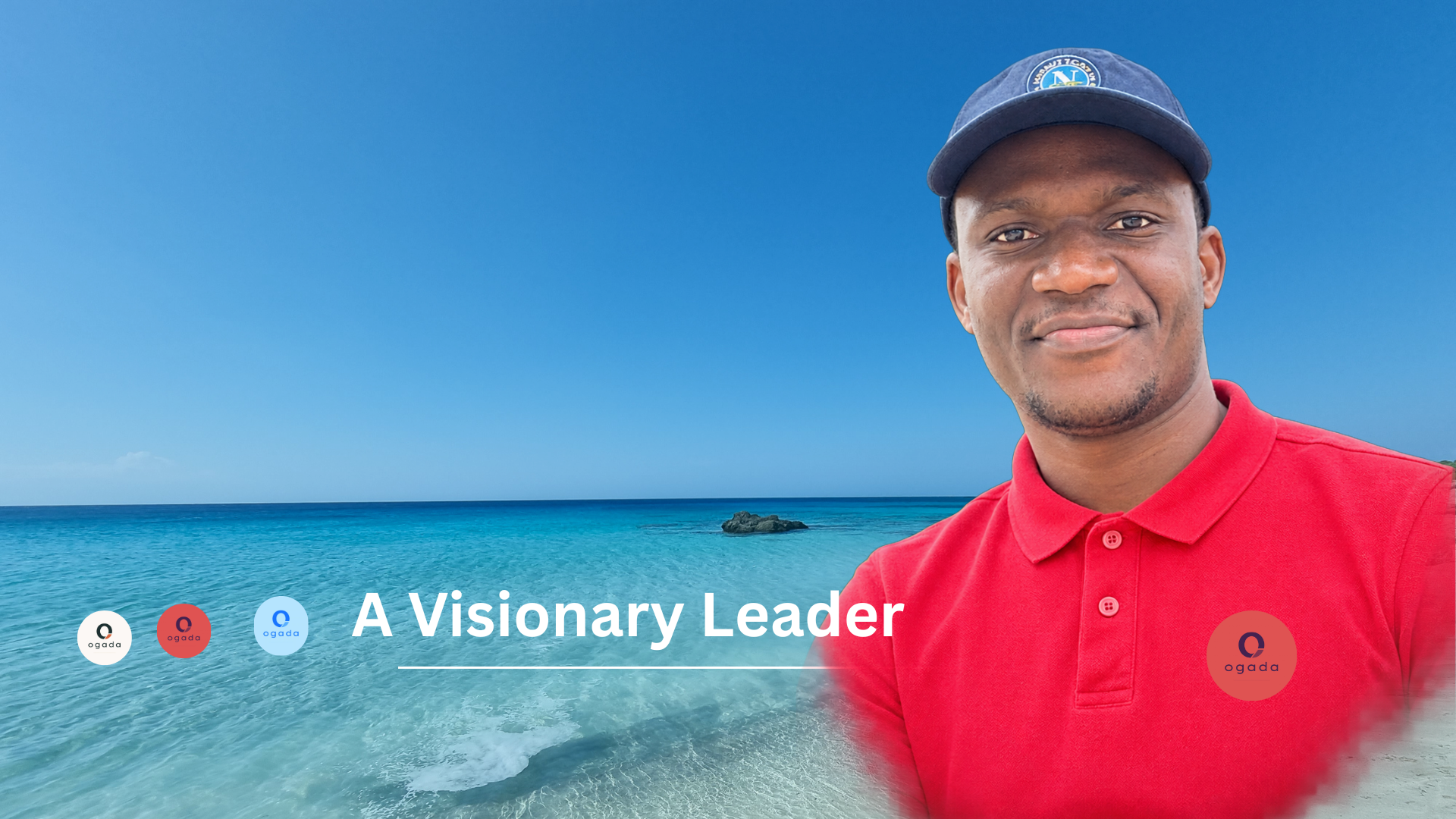
I come from humble beginnings just like many of us in this country.
My parents did not have the opportunity to receive formal education. I grew up in a small, grass-thatched house that leaked whenever the rains came. I witnessed, from childhood, the extraordinary lengths to which my parents went to raise their children. They worked on other people’s farms, sold vegetables, sugarcane, firewood and charcoal, and did whatever honest work was available to keep our family going.
Being part of that struggle from as early as Class Two taught me two invaluable lessons: That life does not always give people equal starting points, and that dignity can be found in honest work, regardless of how humble it may appear.
And my parents held firmly to one conviction: their children had to receive an education. They were prepared to sacrifice almost everything they had to make that possible.
When I completed KCPE and secured admission to a national school, however, the cost was beyond what my family could afford. At that time, my father owned one cow, which had a calf. He made the painful decision to sell that cow, sacrificing the milk that was so precious to our household. The Ksh 5,000 he received from the sale kickstarted my secondary-school education.
I joined Thurdibuoro Secondary School, which is about thirty minutes' walk from our home, as a day scholar. By the second term, the financial pressure had become overwhelming. My father sold the calf to offset my fee arrears. My parents also sold some of the trees on our farm as firewood to the school to help clear part of the fees. By Form Three, however, there was simply nothing more that could be sold. Everything that could be done had been done. I was on the verge of dropping out of school.
Then something changed my life.
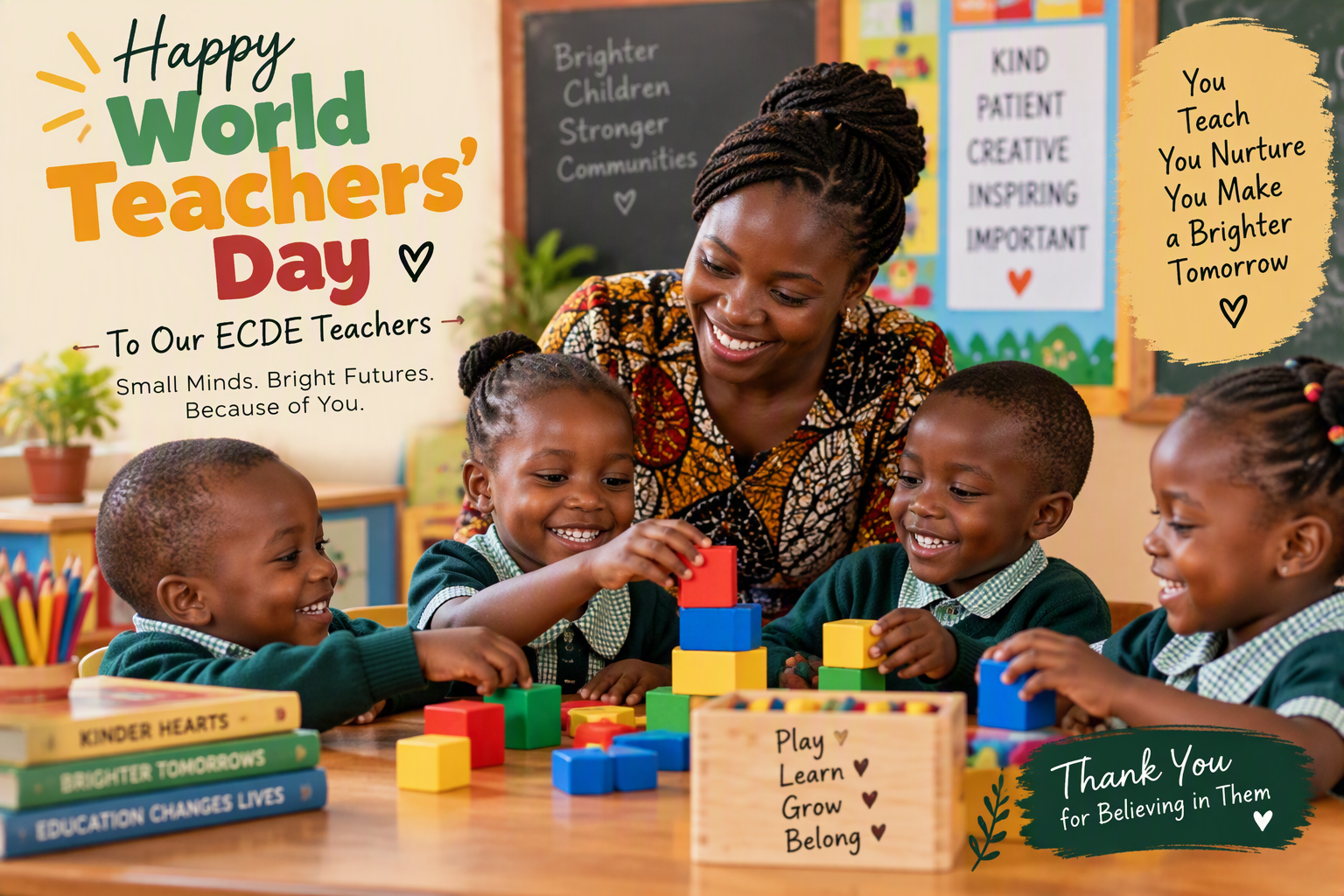
One of my teachers stepped forward and paid my school fees, including the arrears. Her kind intervention gave me an opportunity that my circumstances were about to take away.
I did not take these opportunities for granted, witnessing the amount of sacrifice that went into securing it.
Despite the difficulties, I remained at the top of my class and worked towards the grades I needed to pursue medicine. When I eventually sat my KCSE, I performed exceptionally well (83/84) against circumstances that could easily have ended my education much earlier.
My next opportunity came through the KenGen Foundation scholarship, which supported my undergraduate education at the University of Nairobi. My early career experience involved the treatment of cancer and clinical researchfor better medicine.
A few years later, another remarkable opportunity opened. I was awarded the prestigious Erasmus Mundus Scholarship to pursue postgraduate studies in Precision Medicine across Europe, with studies and research experiences spanning France, Switzerland and Italy.
For many people, such an experience would simply be an extraordinary educational opportunity. For me, it became something more: it opened my eyes to what is possible when systems work.
Living and studying in Europe exposed me to societies where things that can appear like luxuries in rural Kenya are treated as basic necessities: reliable electricity, potable water in homes, functioning sanitation systems, digital connectivity, innovation ecosystems, productive industries, modern healthcare and infrastructure that supports economic prosperity.
This experience made me think differently about development.
I came to appreciate the fact that prosperity is not simply about individual success. It is mostly about the systems that create opportunities for ordinary people. Prosperity depends heavily on governance, institutions, infrastructure, innovation, education, healthcare, productive agriculture and the collective effort of society.
I am now strongly convinced that it is possible for water to flow into people's homes. That very household can be connected to the national grid. That it is possible to build effective sewerage and sanitation systems even in rural communities. That villages can have reliable internet connectivity and innovation hubs for our educated youths. And that it is possible for industries to create livelihoods and for agriculture to become productive, sustainable and resilient.
And I began asking a fundamental question:
If these things are possible elsewhere, why should they remain out of reach for our people?
This question has remained solidified my resolve.
My story is not unique. Across Kenya, there are millions of families who understand what it means to struggle to pay school fees, to walk long distances for water, to depend on rain-fed agriculture, to live on roads that become impassable during the rains, and to watch educated young people struggle to find employment. The majority of young people in Kisumu can indeed agree with the words of Charles Blow
“I know the feel of thick calluses on the bottom of shoeless feet. I know the bite of the cold breeze that slithers through a draughty house. I know the weight of constant worry over not having enough to fill a belly or fight an illness… and I know how extremely expensive it is to be poor… poverty is brutal, consuming and unforgiving. It strikes at the soul” (Blow, 2011)
I have seen the distance between potential and opportunity from both sides: first as a child living through hardship, and later as a student who had the opportunity to experience what functioning systems can achieve.
In 2022, I articulated a vision for The Regeneration of Kisumu. Since then, my understanding of that vision has deepened.
With this diverse experience, I now understand development as the creation of an enabling environment in which every child can access quality education, every family can live with dignity, farmers can build sustainable livelihoods, healthcare can be dependable, young people can find meaningful opportunities, and communities can participate in shaping their own future.
My journey—from a grass-thatched home, through the sacrifices of my parents, the generosity of well-wishers, university scholarships, and international education—has taught me one enduring lesson:
Circumstances can determine where we begin, but they do not have to determine where we end.
I believe that the same principle applies to our communities and our county.
The future we want for our children and grandchildren is not beyond our reach. It requires imagination, hard work, functioning institutions, responsible leadership and a collective commitment to building systems that work for everyone.
That is the journey that has shaped me—and the foundation of my vision for the great County of Kisumu.